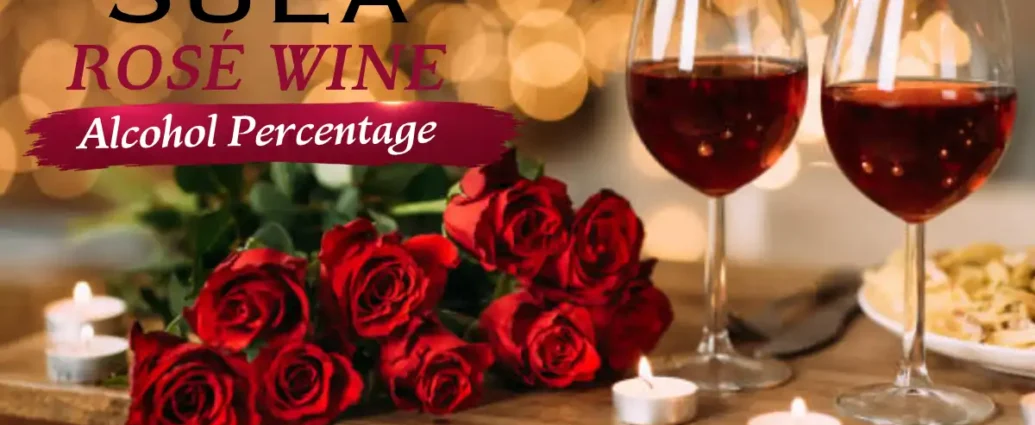
Sula Rosé is a popular Indian rosé wine known for its attractive pink colour, fruity character and refreshing taste. It is often enjoyed during parties, casual get-togethers, dinners and special occasions. However, before choosing a bottle, many people want to know one important detail: how much alcohol does Sula Rosé contain?
The alcohol percentage of a wine is measured as Alcohol by Volume (ABV). It tells you how much pure alcohol is present in a particular volume of the drink. Sula sells different rosé-style wines, and their alcohol strengths can vary depending on the product and bottle.
Sula Zinfandel Rosé is commonly listed at around 12% ABV, while some Sula Zinfandel Rosé bottles and product materials show 11.5% ABV. Other Sula rosé wines, such as The Source Grenache Rosé, have a different alcohol percentage. Therefore, the exact figure should always be checked on the label of the bottle you purchase.
Sula Rosé Alcohol Percentage at a Glance
The alcohol percentage of Sula Rosé depends on the particular variant. Sula Zinfandel Rosé is generally listed around 12% ABV, although product information for certain bottles shows 11.5% ABV.
Here is a quick overview of the commonly referenced Sula rosé products:
| Sula Rosé Variant | Alcohol Percentage (ABV) |
|---|---|
| Sula Zinfandel Rosé | Around 12% |
| Sula Zinfandel Rosé (some bottle labels/product materials) | 11.5% |
| Sula The Source Grenache Rosé | 12.5% |
| Sula Rosé Zin canned wine | 11.5% |
What Is Sula Rosé?
Sula Rosé is a range of pink-coloured wines produced by Sula Vineyards, an Indian wine producer based in Nashik, Maharashtra. Rosé wine gets its characteristic pink shade from limited contact between grape skins and grape juice during winemaking. The amount of skin contact influences the final colour.
Sula offers rosé wines with different grape varieties and flavour profiles. For example, Sula Zinfandel Rosé is made using Zinfandel grapes and is known for its fruity character. The Source Grenache Rosé is another product, made using Grenache grapes.
Rosé wine generally sits between the familiar styles of red and white wine in terms of appearance and winemaking approach. It can have fresh fruit aromas, lively acidity and a lighter drinking style, although its exact taste depends on the grapes and production method.
Main Characteristics of Sula Zinfandel Rosé
| Feature | Details |
|---|---|
| Brand | Sula Vineyards |
| Wine Type | Rosé wine |
| Main Grape Variety | Zinfandel |
| Origin | Nashik, Maharashtra, India |
| Colour | Pink |
| Taste Profile | Fruity and refreshing |
| Commonly Listed ABV | Around 12% |
| Bottle Size | Commonly available in 750 ml |
| Serving Temperature | Chilled |
How Sula Rosé Compares With Other Rosé Wines
Not all rosé wines contain the same amount of alcohol. Their ABV can change according to grape variety, ripeness, fermentation conditions and the winemaker’s preferred style.
Sula Zinfandel Rosé is generally listed around 12% ABV. This places it within the usual range for many table wines. Some rosé wines have a lower alcohol percentage, while others can contain more alcohol.
| Wine Style or Example | Approximate Alcohol Percentage |
|---|---|
| Lower-alcohol rosé wines | 8%–10% |
| Sula Zinfandel Rosé | Around 12% |
| Sula The Source Grenache Rosé | 12.5% |
| Many traditional rosé wines | 11%–13.5% |
| Higher-alcohol rosé wines | 13.5%–15% |
These are general comparison ranges, not fixed standards for every wine. Always check the ABV of the specific bottle.
Is Sula Rosé a Low-Alcohol Wine?
Sula Zinfandel Rosé at around 12% ABV is not usually considered a low-alcohol wine. It falls within the typical range for table wine.
A wine with a lower ABV contains less alcohol in the same serving volume. However, the total amount consumed also matters. Drinking a large glass or several servings can result in a substantial alcohol intake even when the wine has a moderate ABV.
Legal Alcohol Limits for Wine in India
In India, alcoholic beverages are regulated under food safety rules, including the Food Safety and Standards Authority of India (FSSAI) regulations. The permitted alcohol content depends on the category of the beverage.
Under the FSSAI standards, table wine has an alcohol range of 7% to 15.5% ABV. Rosé wine is treated as a type of wine and is subject to the relevant wine standards.
The following table gives a broad overview of the regulatory ranges:
| Beverage Category | Alcohol Percentage |
|---|---|
| Table Wine | 7%–15.5% |
| Fortified Wine | 15%–24% |
| Regular or Mild Beer | More than 0.5% up to 5% |
| Strong Beer | More than 5% up to 8% |
Is Sula Rosé Within the Permitted Wine Range?
Yes. Sula Zinfandel Rosé at approximately 11.5%–12% ABV and The Source Grenache Rosé at 12.5% ABV fall within the FSSAI table-wine alcohol range.
Does India Have One Legal Drinking Age?
No. The legal drinking age and rules for purchasing or consuming alcohol vary between Indian states and union territories. Some states have stricter restrictions, while others permit alcohol sales subject to their own age and licensing rules.
Therefore, consumers should check the applicable rules in their state before purchasing or consuming alcoholic beverages.
How Much Alcohol Is in a Glass or Bottle of Sula Rosé?
The amount of pure alcohol in Sula Rosé depends on two things: the serving size and the ABV printed on the bottle.
For a simple calculation, assume that the wine contains 12% ABV. This means that every 100 ml of wine contains approximately 12 ml of pure alcohol.
The formula is:
Pure Alcohol (ml) = Wine Volume (ml) × ABV ÷ 100
Using 12% ABV, the approximate alcohol content in different serving sizes is:
| Serving Size | Pure Alcohol at 12% ABV |
|---|---|
| 100 ml | 12 ml |
| 125 ml | 15 ml |
| 150 ml | 18 ml |
| 175 ml | 21 ml |
| 200 ml | 24 ml |
| 375 ml | 45 ml |
| 750 ml | 90 ml |
Alcohol in a 150 ml Glass of Sula Rosé
A standard 150 ml glass of Sula Zinfandel Rosé at 12% ABV contains approximately 18 ml of pure alcohol. In terms of weight, this is around 14.2 grams of alcohol.
If the wine has 11.5% ABV, the same 150 ml serving contains approximately 17.25 ml of pure alcohol. At 12.5% ABV, it contains approximately 18.75 ml.
Alcohol in a 750 ml Bottle of Sula Rosé
A 750 ml bottle of Sula Rosé at 12% ABV contains approximately 90 ml of pure alcohol.
| Bottle Size | Pure Alcohol at 12% ABV |
|---|---|
| 180 ml | 21.6 ml |
| 250 ml | 30 ml |
| 375 ml | 45 ml |
| 500 ml | 60 ml |
| 750 ml | 90 ml |
These figures are mathematical estimates based on 12% ABV. They do not mean that a bottle should be consumed in one sitting. A full bottle contains several servings.
Calories in Sula Rosé
The calories in Sula Rosé come mainly from alcohol and residual sugar. Alcohol provides approximately 7 calories per gram, while carbohydrates provide around 4 calories per gram.
The exact calorie count depends on the wine’s alcohol percentage and sugar content. Sula’s product information does not necessarily provide a complete nutritional breakdown for every rosé variant, so the following figures should be treated as estimates rather than official product values.
Estimated Calories by Serving Size
For a wine containing approximately 12% ABV:
| Serving Size | Estimated Calories |
|---|---|
| 100 ml | 80–90 kcal |
| 125 ml | 100–110 kcal |
| 150 ml | 120–130 kcal |
| 175 ml | 140–150 kcal |
| 200 ml | 160–175 kcal |
| 375 ml | 300–330 kcal |
| 750 ml | 600–660 kcal |
The actual calorie content may be higher or lower depending on residual sugar and the wine’s exact alcohol percentage.
Does Sweetness Affect Calories?
Yes. Two wines with the same ABV can have different calorie counts because their residual sugar levels may differ.
A drier rosé generally contains less residual sugar than a sweeter rosé. However, alcohol itself contributes a significant number of calories, so a dry wine is not calorie-free.
Is Sula Rosé Suitable for a Low-Calorie Diet?
Sula Rosé still contains calories from alcohol and may contain calories from residual sugar. Anyone monitoring calorie intake should account for the serving size rather than assuming that rosé wine is a low-calorie drink.
How to Read the Alcohol Percentage on a Sula Rosé Label
The easiest way to identify the alcohol strength of Sula Rosé is to check the ABV declaration on the bottle or can.
ABV means Alcohol by Volume. It expresses the volume of pure alcohol as a percentage of the total beverage volume.
For example, if a Sula Rosé bottle displays 12% ABV, it means that approximately 12% of the wine’s volume is pure alcohol.
Where Can You Find the ABV?
The alcohol percentage is generally printed on the front or back label of an alcoholic beverage. On Sula bottles, it may appear near the lower section of the label or among the product details.
Look for wording such as:
- Alc. 12% v/v
- Alcohol 11.5% by volume
- 12% ABV
All these expressions communicate the alcohol concentration.
What Does 12% ABV Mean?
A 12% ABV declaration means:
- 100 ml of wine contains approximately 12 ml of pure alcohol.
- 150 ml of wine contains approximately 18 ml of pure alcohol.
- 375 ml of wine contains approximately 45 ml of pure alcohol.
- 750 ml of wine contains approximately 90 ml of pure alcohol.
The declared figure is a useful guide to the wine’s strength. Indian regulations allow a specified tolerance for declared alcohol content in wine, so the measured value may differ slightly from the label declaration.
Factors That Change the Alcohol Content
The alcohol percentage of wine is influenced by several factors during grape growing and winemaking. Even wines produced by the same brand can have different ABV levels.
Here are the main factors that can influence the final alcohol content.
1. Grape Sugar Content
Grapes naturally contain sugar, which yeast converts into alcohol during fermentation. Grapes with more fermentable sugar can potentially produce wine with a higher alcohol percentage if fermentation converts that sugar into alcohol.
The sugar level in grapes is influenced by climate, grape variety, vineyard conditions and harvest timing.
2. Grape Variety
Different grape varieties have different growing characteristics and sugar levels. Zinfandel and Grenache grapes can produce wines with different flavour profiles and potential alcohol levels.
However, the grape variety alone does not determine the final ABV. Winemaking decisions also play an important role.
3. Fermentation Process
During fermentation, yeast consumes grape sugar and produces alcohol and carbon dioxide. The duration and conditions of fermentation can affect the final wine.
The winemaker controls the process to achieve the desired balance of alcohol, sweetness, acidity and flavour.
4. Harvesting Time
Grapes harvested later may have higher sugar levels because they have had more time to ripen. Higher sugar levels can result in greater potential alcohol content.
Harvesting decisions depend on the desired wine style and the balance between sugar, acidity and flavour.
5. Winemaking Style
The winemaker’s decisions influence the final alcohol strength. Fermentation management and the desired style of the finished wine can result in different ABV levels across products.
This is one reason why Sula’s different rosé wines do not necessarily have identical alcohol percentages.
Is Sula Rosé Stronger Than Beer?
Sula Rosé generally contains more alcohol by volume than regular beer. Sula Zinfandel Rosé is commonly listed around 12% ABV, whereas regular or mild beer generally contains more than 0.5% and up to 5% ABV under the FSSAI classification.
Strong beer can contain more than 5% and up to 8% ABV. Therefore, Sula Rosé usually has a higher alcohol concentration than both regular and strong beer.
| Beverage | Typical Alcohol Percentage |
|---|---|
| Regular Beer | 4%–5% |
| Strong Beer | 6%–8% |
| Sula Zinfandel Rosé | Around 12% |
| Sula The Source Grenache Rosé | 12.5% |
Does Higher ABV Mean More Alcohol in Every Serving?
Not necessarily. ABV measures alcohol concentration, while the total amount of alcohol also depends on how much of the beverage you drink.
For example:
- 150 ml of Sula Rosé at 12% ABV contains approximately 18 ml of pure alcohol.
- 330 ml of beer at 5% ABV contains approximately 16.5 ml of pure alcohol.
Although the wine has a higher ABV, the larger beer serving contains a similar amount of pure alcohol.
This is why comparing only the alcohol percentages can be misleading. Serving size matters just as much.
Tips for Enjoying Sula Rosé Responsibly
Understanding the alcohol percentage helps consumers make informed decisions about serving size and alcohol intake. Even a wine with a refreshing flavour can contain a substantial amount of alcohol.
Consider these responsible drinking practices:
- Check the ABV: Read the label before serving the wine, especially when switching between Sula rosé variants.
- Pay attention to serving size: A large glass contains more alcohol than a small glass, even when the wine has the same ABV.
- Drink slowly: Avoid consuming wine quickly or treating a full bottle as a single serving.
- Eat with your drink: Food can slow the absorption of alcohol, although it does not prevent intoxication.
- Drink water: Water can help prevent dehydration, but it does not reduce the amount of alcohol already absorbed.
- Do not drive after drinking: Arrange another way to travel if you have consumed alcohol.
- Follow local laws: Check the legal drinking age and alcohol rules applicable in your state.
- Avoid alcohol when advised: Pregnant people, individuals taking medicines that interact with alcohol and people with certain medical conditions should avoid alcohol or follow medical advice.
There is no completely risk-free level of alcohol consumption. Drinking less reduces alcohol-related risks.
Frequently Asked Questions
What Is the Alcohol Percentage of Sula Rosé Wine?
Sula Zinfandel Rosé is commonly listed at around 12% ABV. Some product materials and bottle presentations show 11.5% ABV. Check the specific bottle label for the exact figure.
Is Sula Rosé 11.5% or 12% Alcohol?
Both figures appear in product information for Sula Zinfandel Rosé. The difference may relate to the particular bottle, vintage or product presentation. The ABV printed on your bottle is the correct reference for that bottle.
What Is the Alcohol Percentage of Sula The Source Grenache Rosé?
Sula’s product information lists The Source Grenache Rosé at 12.5% ABV. It is a separate product from Sula Zinfandel Rosé.
How Much Alcohol Is Present in 150 ml of Sula Rosé?
At 12% ABV, a 150 ml serving contains approximately 18 ml of pure alcohol, equivalent to around 14.2 grams by weight.
How Much Alcohol Is in a 750 ml Bottle of Sula Rosé?
A 750 ml bottle at 12% ABV contains approximately 90 ml of pure alcohol. The amount will vary slightly if the bottle has a different ABV.
Is Sula Rosé Stronger Than Beer?
By alcohol concentration, Sula Zinfandel Rosé at around 12% ABV is generally stronger than regular beer and strong beer. However, the total alcohol consumed depends on serving size.
Is Sula Rosé a Strong Wine?
Sula Zinfandel Rosé is within the typical alcohol range of table wine. At around 12% ABV, it is not a high-alcohol fortified wine, but it still contains enough alcohol to cause intoxication.
How Many Calories Are in One Glass of Sula Rosé?
A 150 ml serving of Sula Rosé at around 12% ABV may contain approximately 120–130 calories. The actual figure depends on the wine’s residual sugar and composition.
Does Sula Rosé Contain More Alcohol Than White Wine?
Not necessarily. Both rosé and white wines can have similar alcohol percentages. Their ABV depends on the grape variety, fermentation and winemaking style rather than colour alone.
Is Sula Rosé Sweet or Dry?
The taste depends on the particular Sula rosé variant. Sula Zinfandel Rosé is known for its fruity character, but fruity aromas do not automatically mean that a wine contains a high amount of residual sugar.
Can Sula Rosé Be Compared With Spirits?
Sula Rosé generally contains around 11.5%–12% ABV, while many common spirits contain approximately 40% ABV. Spirits therefore have a much higher alcohol concentration per millilitre, although serving sizes are usually smaller.
Where Can I Check the Exact Alcohol Percentage of Sula Rosé?
Check the front or back label of the bottle or can. Look for the words “Alcohol by Volume,” “Alc. % v/v” or “ABV.” This is the best way to confirm the strength of the exact product you have purchased.
Conclusion
Sula Rosé is a popular Indian rosé wine, but its alcohol percentage is not identical across every product. Sula Zinfandel Rosé is commonly listed at around 12% ABV, with some product information showing 11.5%, while Sula The Source Grenache Rosé is listed at 12.5% ABV.
A 150 ml glass of wine at 12% ABV contains approximately 18 ml of pure alcohol, while a 750 ml bottle contains around 90 ml. Its calorie content also depends on the alcohol percentage and residual sugar.
Before purchasing or serving Sula Rosé, check the ABV printed on the specific bottle. Understanding the alcohol concentration and serving size makes it easier to compare wines and make informed choices.
Also, Check Out: Port Wine Alcohol Percentage || Sula Red Wine Alcohol Percentage || Palm Wine Alcohol Percentage || Jacob’s Creek Red Wine Alcohol Percentage || Red Wine Alcohol Percentage